
Discover the best places to go in April! Our guide covers 10 global destinations, from Japan's cherry blossoms to Peru's trails, with tips for every traveler.
Where should you go in April if you want good seasonal timing, workable prices, and reliable day-to-day logistics once you land?
April works well because many destinations sit in a sweet spot between winter constraints and peak summer pressure. You often get better conditions for walking, touring, and short regional flights, with fewer bottlenecks than you will see a month or two later. That matters even more for travelers who are booking trains on the move, uploading footage, joining calls, or handling last-minute itinerary changes from their phones.
The strongest April trips are not just about pleasant weather. They are about timing. Cherry blossoms can be worth the crowd trade-off in Japan. Mediterranean routes often feel easier before summer ferry and hotel demand spikes. In higher-altitude destinations, April can offer clearer planning logic than wetter or colder months, though the trade-off is that shoulder season also brings more variable conditions and shorter operating windows in some regions.
A digital-first setup makes a clear difference. Reliable mobile data helps with maps, translation, rail apps, restaurant bookings, cloud backups, and two-factor logins that always seem to appear at the worst time. If Japan is on your shortlist, setting up an eSIM for Japan before departure is one of the simplest ways to avoid airport SIM queues and stay connected as soon as you arrive.
The destinations in this guide were chosen for how April feels on the ground, not how it looks in a generic round-up. The focus is practical: where the season adds value, what trade-offs to expect, and how to keep the trip running smoothly if you are traveling, working remotely, or creating content along the way.
1. Japan - Cherry Blossom Season (Sakura)
Japan belongs near the top of any serious list of places to go in April because the month aligns with one of the clearest examples of time-sensitive travel supply. Marriott Traveler specifically highlights Japan in April for blossom timing, and that seasonal window shapes everything from hotel demand to photography strategy.
If your goal is sakura, don't treat Japan as one uniform bloom zone. Tokyo, Kyoto, and Osaka can all work, but each city rewards a different rhythm. Tokyo is efficient and easy to get around. Kyoto gives you atmosphere and traditional streetscapes. Osaka is strong if you want city energy and easier day-tripping.
Blossom timing and crowd strategy
For first-timers, I'd choose one major city and one slower base instead of trying to sprint through the whole country. Tokyo plus Kyoto works well for classic spring visuals. Osaka plus Nara is better if you want slightly less friction in your daily schedule.
The practical mistake is showing up at famous blossom sites in the middle of the day and expecting a calm experience. Go early for clean photos, easier train platforms, and a less rushed walk through parks and temple grounds. Evening blossom viewing also works well, especially if you like low-light city scenes.
Practical rule: In Japan, data matters almost as much as train tickets. You'll use it for maps, platform changes, restaurant bookings, translation, and live bloom updates.
For connectivity, set up a Japan eSIM before you fly so your phone is working the moment you land. RoamFly's guide to using an eSIM for Japan is a useful starting point if you haven't used one before. Even with strong urban coverage, I'd still download offline maps for backup, especially around transit hubs where you don't want to troubleshoot under pressure.
2. Greece - Island Hopping and Spring Blooms
Greece in April rewards travelers who want the Mediterranean without peak-season strain. This isn't beach-club Greece yet. It's walking-path Greece, ferry-deck Greece, village-square Greece. Hillsides start looking alive again, tavernas begin opening up more consistently, and the trip feels more spacious.
This is also where shoulder-season thinking pays off. Independent April travel guidance points to a spring “sweet spot” in markets such as the Caribbean, Peru, and road-trip corridors in the USA, and the same logic is useful in Greece. Weather improves before summer pressure fully arrives, which is exactly the setup many travelers want.
How to choose the right island mix
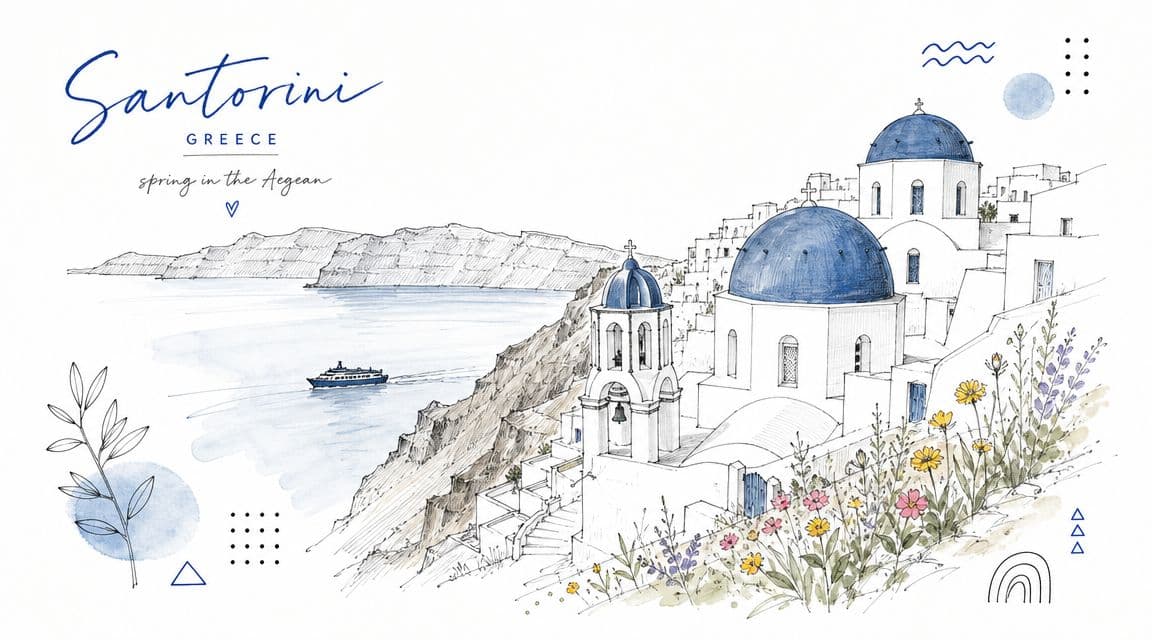
Santorini still delivers those caldera views, especially in softer spring light, but it's rarely the best island for a longer remote-work stay. Paros and Naxos are often better balanced. Crete works if you want a bigger island with more road-trip potential and more room to adapt if weather shifts.
A few practical moves help:
- Pick one anchor island: Base yourself somewhere with reliable services, then add short ferry hops instead of changing hotels constantly.
- Use one regional data setup: If you're moving across islands, a Greece eSIM keeps maps, ferry updates, and reservation apps working without SIM-shop detours.
- Pack for variation: Sea breezes, inland elevation, and shoulder-season evenings can all feel different on the same day.
If you're creating content, April is excellent for bright scenery without harsh summer glare. If you're working remotely, prioritize accommodation with tested Wi-Fi, then use mobile data as your fallback. On the islands, that backup matters more than people expect.
3. Peru - Machu Picchu and Sacred Valley Season
Peru is one of the smartest answers to places to go in April if you want a trip that feels active, scenic, and culturally dense. April is often treated as a sweet spot because conditions improve while the highlands still look green, and the shoulder-season tradeoff remains attractive for travelers who care about both experience and value.
Start with the right pacing. Lima is your arrival and reset point. Cusco is your acclimatization base. The Sacred Valley is where the trip usually starts feeling spacious and less transactional than a rushed in-and-out Machu Picchu run.
What works for altitude and connectivity
The biggest planning mistake in Peru is underestimating altitude. If you land and push straight into hard activity, you're making the trip harder than it needs to be. Give Cusco time. Walk slowly the first day, keep your schedule light, and don't stack major hikes back to back.
For remote workers and creators, Peru demands a split mindset. Cities are where you upload, sync, and handle calls. Trekking zones are where you go more self-contained.
- Before leaving Lima or Cusco: Activate your Peru eSIM, confirm key bookings, and preload maps.
- Before entering remote areas: Download tickets, route screenshots, and any accommodation details you'd need offline.
- On trek days: Carry a power bank and assume coverage may disappear when you need it most.
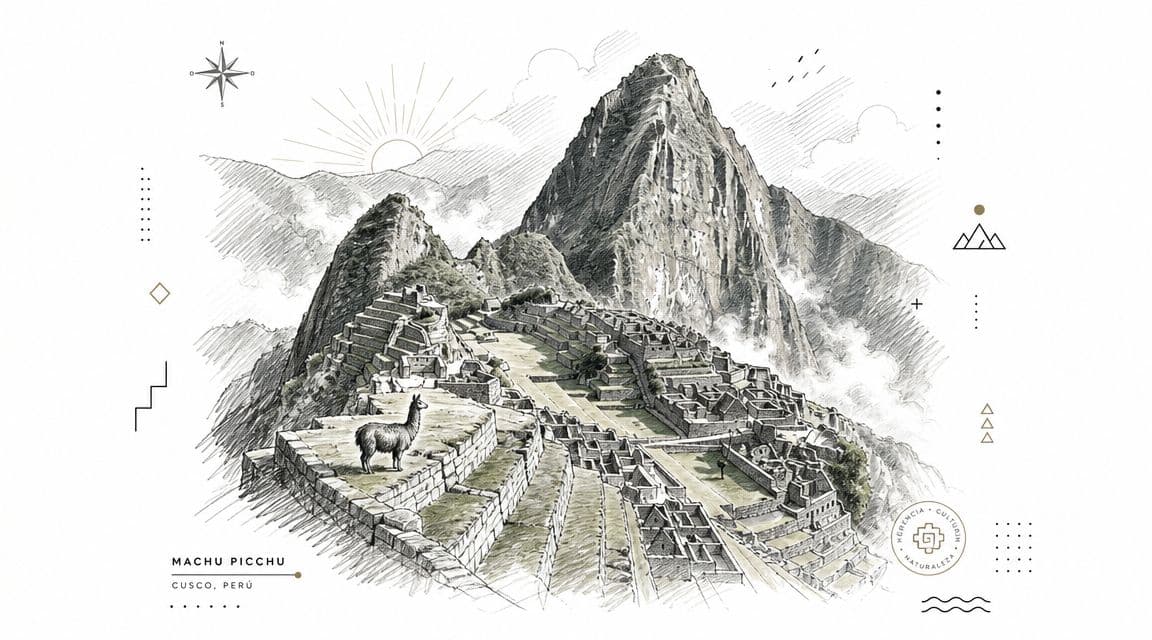
Machu Picchu itself can be magical in April because the natural surroundings still look lush, and the approach feels more dramatic when skies clear after the wetter season.
A good visual overview helps before you lock your route:
If you want the stronger trip, pair Machu Picchu with smaller Sacred Valley stops instead of treating the citadel as the only objective. That's where Peru starts feeling less like a box checked and more like a real April itinerary.
4. Morocco - Spring Colors and Festival Season
Morocco works well in April because the country's contrasts become easier to enjoy in one trip. You can move from medina to mountains to coast without fighting the harsher edge of summer heat. That opens up a better rhythm for travelers who want both intensity and recovery time.
Marrakech is the usual entry point, and it earns that role. The city gives you design, food, markets, and easy access to day trips. But I wouldn't stop there. Essaouira is the reset button, and Fes is where many travelers get their strongest old-city immersion.

How to move well between city, coast, and desert
Morocco rewards early starts. In medinas, morning gives you clearer navigation and less sensory overload. In the Sahara-bound segments, pre-arranged transport matters more than trying to improvise every leg from scratch.
Navigation in Morocco is rarely about distance alone. It's about how much friction you want in your day.
For a digital-first trip, set up mobile data before you start crossing city zones and transit points. Translation apps, map pins, ride bookings, and accommodation messaging all become more useful in Morocco than many travelers expect. If you're shooting content, use mornings for market walks and late afternoons for architecture and street texture. Midday light tends to be less forgiving.
A few trade-offs are worth knowing:
- Marrakech: Best energy, easiest first stop, most visitor pressure.
- Essaouira: Better for a slower work block, sea air, and less intensity.
- Fes: Richer maze-like experience, but it's less forgiving if you dislike getting disoriented.
If you want desert time, book through an accommodation or established operator instead of treating that leg casually. It's one of those places where a little structure improves the whole trip.
5. Spain - Spring Break and Regional Festivals
Spain in April is strong because it gives you cultural density without the harder logistics of midsummer. You can move between cities fast, eat outdoors comfortably, and still have enough energy left in the day to do actual work if you need to. For a blended travel-and-remote-work trip, that matters.
Barcelona, Madrid, and Seville each deliver something distinct. Barcelona is the easiest for design-minded travelers and creators who want architecture, walkability, and café work sessions. Madrid is the strongest all-round city break. Seville gives you the sharpest seasonal atmosphere if you want Andalusian character.
Best setup for city hopping and remote work
Spain is one of the easier countries on this list for building a smooth digital routine. High-speed trains reduce airport friction, and city centers are practical for travelers who like to work mornings and explore afternoons.
If you're choosing just one region in April, Andalusia often gives the best payoff. Seville, Córdoba, and Granada combine well, and the white villages can work as a quieter extension if you want a slower pace.
On-the-ground habit: Book major sights before you board the train to the next city, not after you arrive tired and on weak Wi-Fi.
For connectivity across city hops, a Spain eSIM is the simplest setup. It keeps ticket apps, navigation, restaurant bookings, and client messages running without interruption. That's especially useful if you're moving through stations, switching hotels, or trying to upload from the road.
What doesn't work well is overpacking the itinerary. Spain looks compact on paper, but constant movement can flatten the experience. Two cities done properly is usually stronger than four cities done as a race.
6. New Zealand - Autumn Adventures and National Parks
If your version of places to go in April means road miles, expansive scenery, and fewer people in your frame, New Zealand deserves serious consideration. April brings autumn conditions there, and that shift changes the feel of the trip. The light softens, the foliage gets more character, and peak summer urgency drops away.
This is a destination where route design matters more than city selection. Queenstown is the obvious base, and for good reason. It gives you adventure access, dining, and a practical work setup if you need to stay online between excursions.
Road trip logic that saves stress
New Zealand punishes overambitious driving plans. On a map, routes can look simple. On the ground, winding roads, weather changes, and scenic stops stretch days longer than expected.
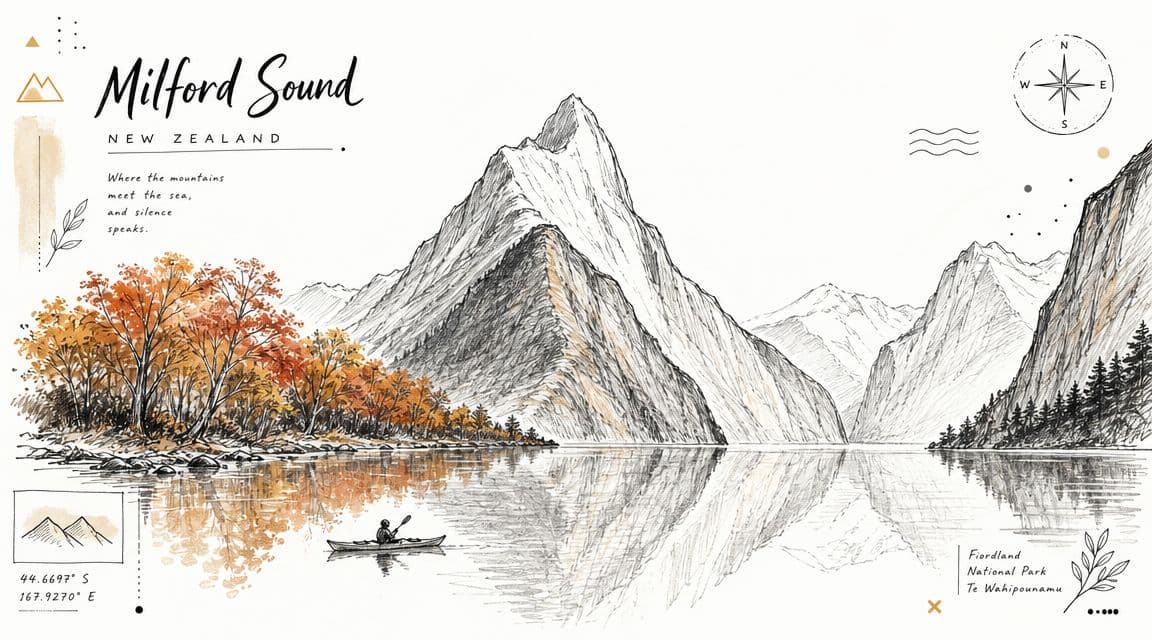
A better April structure is to choose one island or one concentrated corridor unless you have enough time to move comfortably. South Island usually wins for dramatic scenery, with Queenstown, Wānaka, Milford Sound, and nearby hiking routes forming a strong backbone.
- For hikers: Download offline trail maps before you leave town.
- For remote workers: Do your uploads and calls in base towns, not from rural lodges where backup options are thin.
- For photographers: Use shoulder light early and late. Midday outdoor scenes can still look flat, even when the scenery is spectacular.
Coverage can weaken quickly outside towns and main roads, so mobile data is part convenience and part safety net. If you're heading into backcountry areas, treat offline navigation as mandatory, not optional. New Zealand is one of the best April trips for travelers who like freedom, but it runs best when that freedom is supported by good prep.
7. Turkey - Mediterranean Spring and Cultural Sites
Turkey is one of the most versatile April destinations because it gives you city history, inland scenery, and coast in one country without forcing summer-style compromises. Istanbul alone can fill a trip. Add Cappadocia or the Aegean coast and it becomes much more layered.
The strongest April combination is usually Istanbul plus one contrasting region. Istanbul gives you architecture, ferry crossings, bazaars, and dense history. Cappadocia adds surreal terrain and sunrise balloon culture. Ephesus and the Aegean side give you classical ruins and a slower Mediterranean pace.
Where April works best in Turkey
Turkey is at its best in April when you travel by contrast, not by checklist. Pair a few intense city days with somewhere visually open and physically calmer. That's why Istanbul and Cappadocia work so well together.
The practical issue in Turkey is day-to-day adaptation. Weather can shift, balloon schedules can change, and local transport plans may need adjusting. Strong mobile data helps because you'll use it constantly for translation, navigation, and last-minute coordination.
A few useful realities:
- Cappadocia: Best if you can stay flexible for balloon timing.
- Istanbul: Better with a neighborhood strategy than a monument-only plan.
- Ephesus: Go early. The site feels much better before the day heats up and crowds build.
If you're a content creator, Turkey is one of the easiest places on this list to keep your visual output varied. Domes, coastlines, market scenes, cave interiors, and ancient stonework can all fit in the same trip. Just don't pack the itinerary so tightly that every day becomes a transit day.
8. Portugal - Spring Blooms and Atlantic Coastline
Portugal in April makes sense if you want variety without overcomplicating the trip. You can cover a capital city, a second urban base, a coastal stretch, and a few work blocks in the same itinerary without spending half your time fixing transport or weather problems.
April sits in a useful middle ground, as noted earlier. Days are generally comfortable for walking, train travel is straightforward, and popular areas usually feel more manageable than they do in peak summer. That matters in Portugal because the country works best when you stay flexible enough to add a viewpoint, a long lunch, or an extra stop rather than racing through a rigid checklist.
A practical Portugal route for April
Lisbon is the strongest starting point for most travelers. It gives you reliable public transport, good café density, strong accommodation choice, and easy day-trip access. Sintra is still the obvious add-on, but go early and book with crowd timing in mind. By late morning, the experience changes fast.
Porto is the best second base if you want a city that feels tighter, calmer, and easier to cover on foot. It also pairs well with the Douro if you want scenery without adding too many moving parts. If your priority is coastline and slower pacing, shift south to the Algarve instead of trying to do everything.
A practical way to choose your extension:
- Algarve: Better for cliff walks, beach towns, and lighter days
- Douro Valley: Better for rail views, vineyard scenery, and short countryside stays
- Central Portugal: Better for travelers who want fewer obvious stops and less tourist concentration
Portugal also suits a digital-first trip unusually well. Mobile data does a lot of work here, especially for train changes, rideshare pickups, restaurant bookings, and map checks in older neighborhoods where street layouts can slow you down. An eSIM is the cleanest setup if you're arriving from another country and want service the moment you land.
For remote workers and creators, the primary trade-off is not connectivity quality versus no connectivity. It's city convenience versus visual range. Lisbon is easier for calls, coworking, and backup plans. The Algarve gives you stronger outdoor footage and a slower rhythm, but you need to be more deliberate about where you stay and how you move between towns. In any apartment, test Wi-Fi on arrival, check upload speed if you send large files, and keep mobile data ready as backup instead of trusting the listing description.
Portugal rewards loose structure. Plan the bases carefully, then leave room inside the days. That approach usually produces a better April trip than trying to squeeze the entire country into one week.
9. Egypt - Ideal Climate for Ancient Exploration
Egypt in April works because the country's big historical sites become much easier to handle when the climate is more cooperative. This isn't a beach break pretending to be cultural travel. It's a logistics-heavy, monument-rich itinerary that gets much better when your days start early and move with purpose.
Cairo, Luxor, and Aswan form the classic route for good reason. Cairo gives you the pyramids and museum time. Luxor is where the density of ancient sites becomes obvious fast. Aswan slows the pace down and gives the trip a softer final stretch.
The smartest way to structure the trip
The strongest Egypt itineraries remove decision fatigue. If you're trying to negotiate every ride, improvise every transfer, and figure out every site in real time, the trip gets tiring. This is one place where guided structure often improves the experience.
Egypt is easier when you treat connectivity as a utility, not a convenience. You'll need it for map checks, booking coordination, and basic reassurance between stops.
A Nile cruise can be a very efficient middle section because it consolidates accommodation and transport while keeping you close to major sites. That doesn't make it the only good option, but it does simplify a trip that can otherwise become fragmented.
For practical digital prep:
- Download offline maps: They matter outside major urban zones.
- Save hotel details locally: Don't rely on pulling up booking emails on weak data.
- Use your phone for coordination: Drivers, guides, and changing pickup points are easier to handle when you're already connected on arrival.
Egypt rewards travelers who are comfortable with a bit of intensity. If that's you, April is one of the best windows to experience the country without fighting the harsher edge of the calendar.
10. Indonesia (Bali and Java) - Dry Season Adventures
Indonesia is one of the most flexible places to go in April for travelers who want culture, scenery, and workability in the same trip. April marks the transition toward the drier part of the year, which often makes movement easier while the natural surroundings still look lush. That mix is especially useful in Bali and Java.
Bali remains the easiest entry point because the infrastructure supports different travel styles well. Ubud works for rice terraces, temples, and a more grounded rhythm. Seminyak is more convenient if you want beach access, restaurants, and a smoother work routine. Java adds depth if you want volcanoes and major heritage sites like Borobudur.
How to balance work days and travel days
Indonesia works best when you stop pretending every day can do everything. If you need to work, set proper work blocks and keep sightseeing close. If you want a full excursion day, make it a real excursion day and don't schedule calls around it.
That's especially true in Bali, where traffic can turn short distances into time drains. One good base usually beats constant hotel switching. Many remote professionals do better with a week in Ubud or Seminyak and a few concentrated outing days than with nonstop movement.
A few practical habits make the trip smoother:
- Use ride apps: Gojek and Grab are often easier than ad hoc transport arrangements.
- Keep offline backups: Coverage is fine in main areas, but it can become less predictable once you move farther out.
- Ask about internet quality directly: “Fast Wi-Fi” in a listing doesn't tell you whether you can take a stable video call.
Java is worth adding if you want a stronger culture-and-natural beauty balance. Bali is easier. Java is often more rewarding for travelers who want the trip to feel less curated and more expansive.
Top 10 April Travel Destinations Comparison
| Destination | Planning Complexity | Budget & Resources | Experience Quality | Ideal Use Cases | Key Advantages |
|---|---|---|---|---|---|
| Japan - Cherry Blossom Season (Sakura) | High, timing variable; book 2–3 months ahead | High, premium accommodations, high data use for creators | , exceptional photo ops and cultural events | Content creators, photographers, leisure travelers, remote workers | Iconic blooms, hanami festivals, strong urban infrastructure |
| Greece - Island Hopping & Spring Blooms | Medium, ferry schedules vary; book ferries 1–2 weeks ahead | Moderate, good value vs summer; transport costs for ferries | , scenic, fewer crowds, variable sea conditions | Digital nomads, remote pros, photographers, budget travelers | Wildflowers, Easter traditions, milder crowds and prices |
| Peru - Machu Picchu & Sacred Valley Season | High, altitude acclimatization; Inca Trail permits months ahead | Moderate–High, permits, guides, limited trail services | , clear mountain views, top trekking visibility | Adventure travelers, content creators, fit explorers, photographers | Best trekking weather, authentic Andean culture, clear vistas |
| Morocco - Spring Colors & Festival Season | Medium, medina navigation, possible Ramadan impact | Moderate, affordable but variable transport quality | , diverse cultural and landscape photography opportunities | Content creators, cultural explorers, photographers, adventurers | Almond blooms, festivals, close diversity (mountain/desert/coast) |
| Spain - Spring Break & Regional Festivals | Low–Medium, Easter may cause local surges/closures | Moderate, reliable transport and wide accommodation options | , strong cultural events, excellent infrastructure | Remote professionals, digital nomads, cultural travelers, foodies | Excellent connectivity, festivals, easy intercity travel |
| New Zealand - Autumn Adventures & National Parks | Medium, changing weather; book adventure activities early | High, adventure activity costs, car rental for flexibility | , fall foliage and dramatic landscapes for creators | Adventure photographers, outdoor enthusiasts, content creators | Exceptional autumn scenery, fewer crowds, world-class trails |
| Turkey - Mediterranean Spring & Cultural Sites | Medium, varied regions; some rural infrastructure limits | Low–Moderate, good value, diverse cost options | , rich history and varied scenery | Budget travelers, cultural explorers, photographers, digital nomads | Cappadocia balloons, coastal towns, major archaeological sites |
| Portugal - Spring Blooms & Atlantic Coastline | Low, reliable services and strong urban connectivity | Moderate, affordable living for remote work/stays | , coastal vistas and city culture; strong nomad support | Digital nomads, food & wine enthusiasts, photographers | 5G/4G coverage, diverse coast/city experiences, good value |
| Egypt - Ideal Climate for Ancient Exploration | Medium–High, security checks, heat later in month | Moderate, well-developed tourist routes; variable rural coverage | , outstanding archaeological photo opportunities | History enthusiasts, photographers, luxury travelers, remote workers | Pyramids/Nile cruises, excellent historical access, strong mid-season value |
| Indonesia (Bali & Java) - Dry Season Adventures | Medium, island logistics, variable local infrastructure | Low–Moderate, affordable long-term stays, co-working access | , strong cultural and nature content potential | Digital nomads, spiritual seekers, budget travelers, creators | Dry-season weather, vibrant nomad community, temples & beaches |
Stay Connected Wherever April Takes You
What makes an April trip work once you leave the airport and the actual logistics begin?
Usually, it is not the headline attraction. It is whether your timing, routing, and connectivity match the way you travel. April can be excellent for cherry blossoms in Japan, island moves in Greece, trekking in Peru, or a work-and-explore trip through Bali and Java. Each of those trips asks for something different on the ground. The travelers who have the easiest time are the ones who plan for transit gaps, variable Wi-Fi, and crowded arrival windows before they board the flight.
April also sits in a busy booking period. Spring breaks, Easter travel, and festival calendars can push up prices and tighten availability even in destinations that look manageable on paper. As noted earlier, this is not a hidden off-season month. It is often a smart timing play, but only if you book the pieces that matter early and keep your setup practical.
A key advantage of April is efficiency. In many destinations, you can still get milder weather, better working conditions, and fewer peak-season headaches than you would see in late summer. That matters for vacation travelers, but it matters even more for remote workers, consultants, and creators who need a trip to stay functional between check-in and checkout.
Connection quality is part of that plan.
If you rely on your phone for maps, banking alerts, ride-hailing, translation, client messages, hotspot backup, or uploading footage, mobile data is not a nice extra. It is working infrastructure. I treat it the same way I treat passport validity or airport transfer details. If it fails, the whole day gets harder.
A practical setup is simple. Install your eSIM before departure. Download offline maps. Save booking confirmations as screenshots and PDFs. Assume at least one hotel will promise fast Wi-Fi and fail to deliver. Schedule large uploads, cloud backups, and video calls for stronger city connections or coworking stops, especially if your itinerary includes islands, mountain regions, desert routes, or train travel between smaller towns.
RoamFly is one option if you want to arrange data before departure and avoid buying a physical SIM after landing. That approach is especially useful for multi-stop April itineraries, late-night arrivals, and work trips where you need service as soon as the plane touches down.
The best places to go in April are not just pleasant in theory. They work well in practice, with good timing, manageable trade-offs, and a connection setup that keeps the trip running when plans shift.
If you want your April trip to run smoothly from airport arrival to final upload, take a look at RoamFly. It offers eSIM data plans for a wide range of destinations, which makes it easier to stay connected without swapping physical SIM cards.